 By admin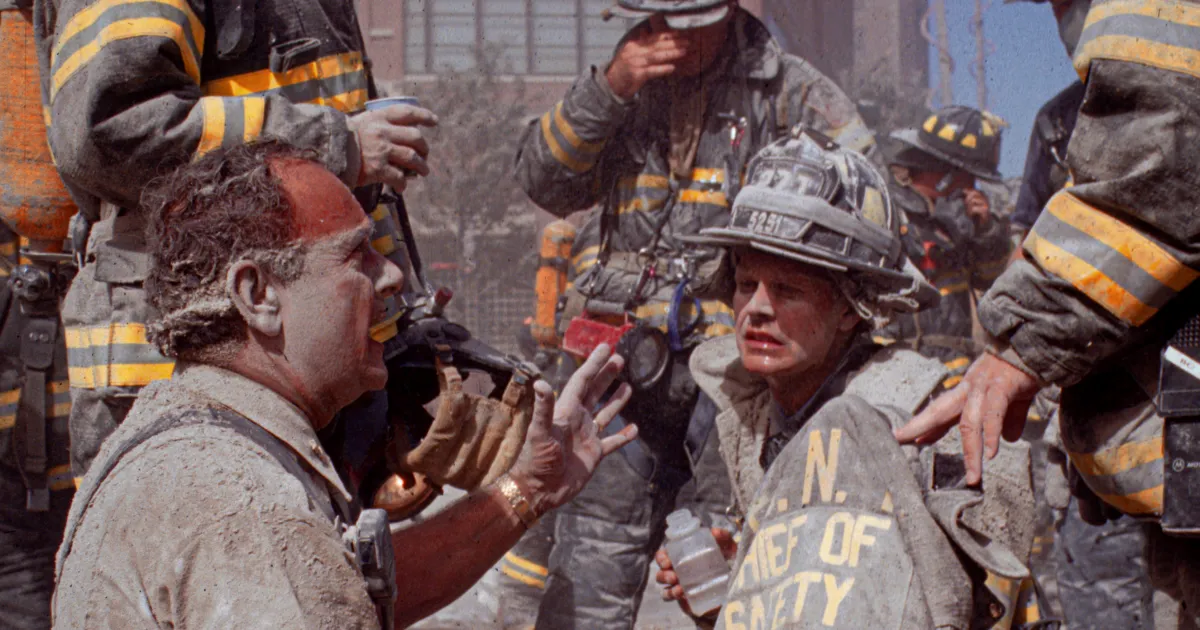
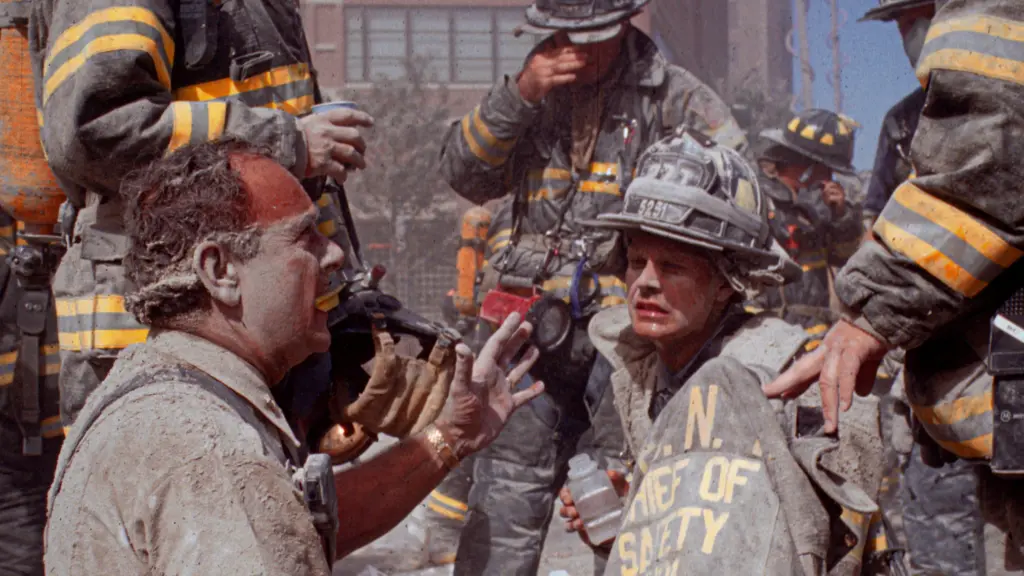
When Mia Farina got seriously ill in 2014, she thought she had a bad case of pneumonia. But it turned out to be far worse: It was the start of chronic lung disease related to the months she spent working in and around ground zero after 9/11.
Read more Moving a Non-Running Vehicle: How to Prepare It Before Transport Day
Back then, Farina was a rookie cop, present when the second Twin Tower came down. She and her Brooklyn squad ran to escape the burning debris. “At one point, you couldn’t run because the stuff that was collapsing was so deep,” she said. “So it would go up to my thigh, and you would feel people’s hands and feet because…they’re all under the rubble.”
Read more Leaving Las Vegas for Pahrump: Preparing for a Move Beyond the Paved Neighborhood
Farina lives on Long Island, surrounded by other responders who also are sick and dying from their work at ground zero 25 years ago. She and tens of thousands of other 9/11 responders and survivors were promised care through the World Trade Center Health Program, a federally funded lifeline meant to treat the long-term medical consequences of that day. But funding has never kept up with the number of people who continue to get sick.
This week on Reveal, reporter Lynn Hallarman, a Long Island doctor turned journalist who once treated 9/11 responders, explores the community of responders around her, their reliance on a program that’s been unstable for decades, and the science behind why people are still getting sick.
Read more Moving Valuable Household Items Without Unnecessary Risk