 By admin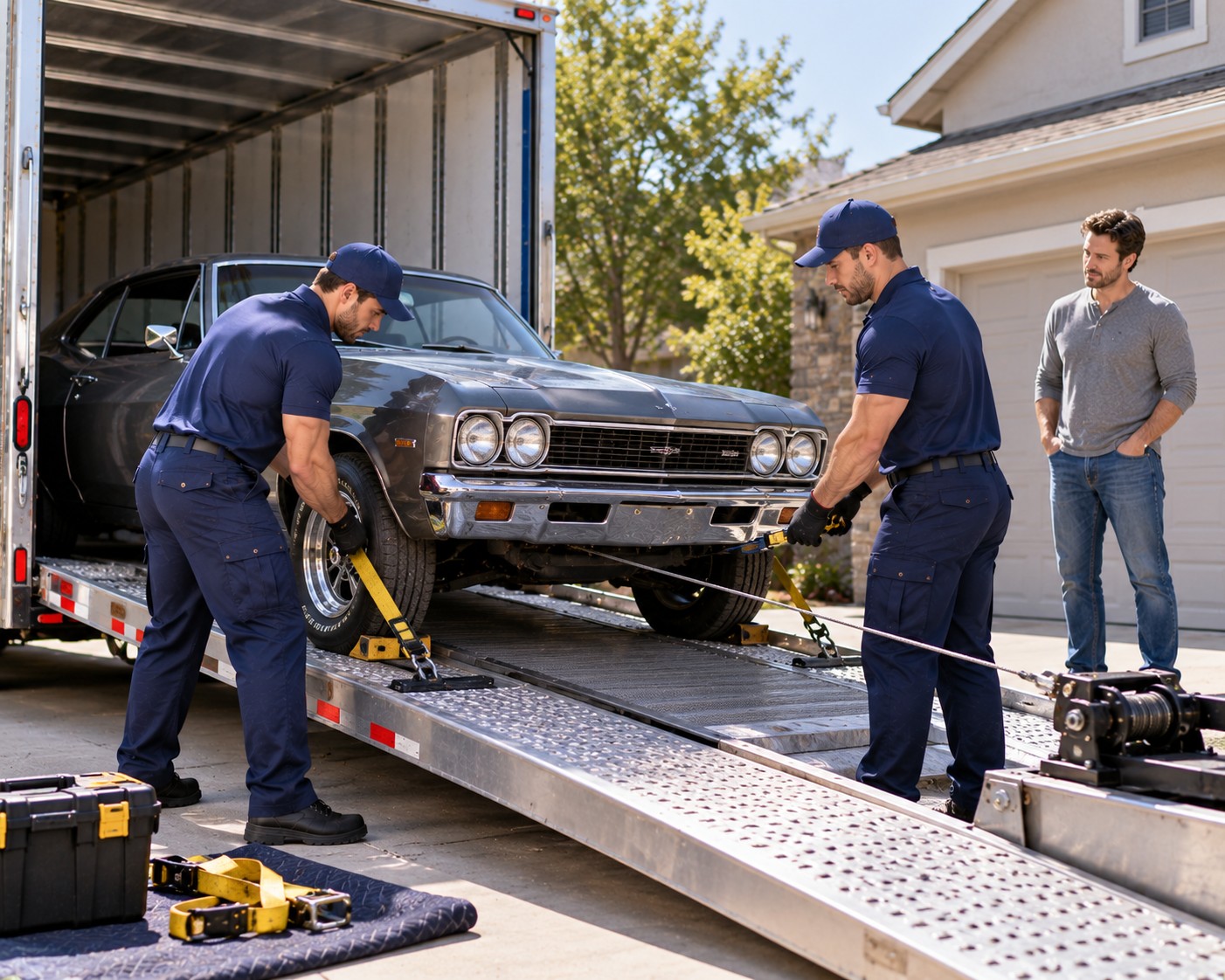
A vehicle does not need to be roadworthy to require transportation. A broken-down car, restoration project, damaged automobile, or long-idle vehicle may need to travel hundreds of miles even though its engine cannot turn over. In these situations, preparation becomes part of the transportation process itself.
A non-running vehicle cannot be treated like an ordinary drivable car. Its steering, brakes, tires, battery, and transmission may affect how it is loaded and secured. Knowing what to check beforehand can help eliminate unnecessary delays and make pickup considerably more organized.
Start With a Clear Description of the Vehicle
Before pickup is scheduled, make a detailed list of anything that prevents the vehicle from operating normally.
Does the engine fail to start? Can the transmission move into neutral? Does the steering wheel turn? Are the brakes functional? Can all four wheels roll?
Providing accurate answers allows the transport provider to anticipate the situation instead of discovering problems after equipment has arrived.
For general transportation information and relocation assistance, Price Movers is available at https://pricemovers.com/.
Share the important mechanical details
Mention flat tires, a dead battery, locked steering, damaged suspension, transmission problems, missing keys, or collision damage.
If the vehicle has unusual modifications, such as a lowered suspension or oversized body components, include those details as well.
Prepare the Loading Area
The space around a non-running vehicle matters almost as much as the vehicle itself. Specialized equipment may need to approach from a particular direction and have enough room to reposition the car.
Clear away bicycles, boxes, garden equipment, tools, trailers, and other obstacles.
The surface should also be considered. A steep driveway, loose gravel, soft ground, narrow gate, or tight corner can make loading more complicated.
Professional vehicle transport services can be arranged with the vehicle’s specific condition and access requirements in mind. More information is available at https://pricemovers.com/services/vehicle-transport-services.
Check the Tires Before Transport
Inspect every tire before the scheduled pickup.
If a tire is capable of safely holding air, make sure it is appropriately inflated. If one is damaged, missing, or continually losing pressure, tell the transport provider.
A flat tire may not prevent transportation, but it can change how the vehicle needs to be moved.
Do not assume that a vehicle will roll simply because its tires look normal. Wheel, axle, brake, or suspension problems can affect mobility.
Pay Attention to Steering and Brakes
A non-running vehicle may have perfectly functional steering and braking systems, or it may have problems with both.
Check whether the steering is locked and whether the parking brake can be released safely. If the transmission cannot be placed into a suitable position for loading, disclose that as well.
Avoid attempting unfamiliar mechanical repairs just before transportation. A clear description of the problem is more useful than a rushed modification that creates another complication.
Remove Personal Belongings
Empty the passenger compartment and trunk before the vehicle leaves.
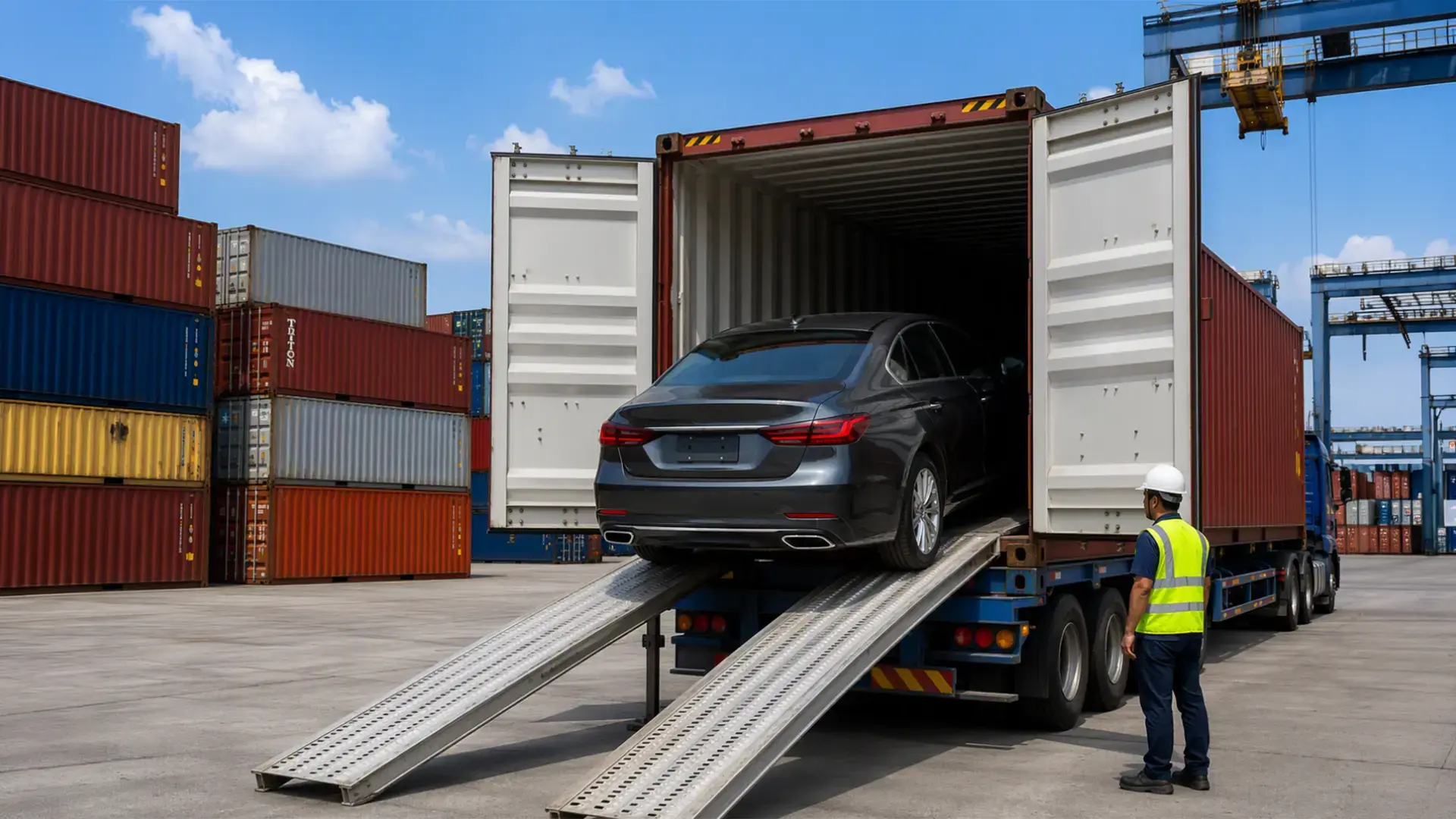
Loose objects can shift during loading or transportation and potentially scratch surfaces or damage interior components. Remove valuables, paperwork, electronics, tools, and other possessions that do not need to travel inside the car.
Inspect removable accessories
Check roof racks, antennas, custom mirrors, spoilers, decorative pieces, and other exterior additions.
Some components may require additional protection or removal. If something is detached, keep its fasteners in a labeled bag so nothing gets misplaced.
Photograph the Vehicle Carefully
Take photographs before loading begins.
Capture the front, rear, both sides, roof, wheels, windows, bumpers, and any existing dents or scratches. Take closer photographs of mechanical or body damage that may already be visible.
These images create a useful condition record and can help distinguish pre-existing damage from anything noticed after delivery.
For older project cars and damaged vehicles, detailed documentation is especially worthwhile.
Prepare the Keys
Even an inoperable car may require keys during transportation.
Keys can provide access to the doors, trunk, steering column, or ignition. Gather all available keys and explain any unusual locking mechanisms.
If the keys are missing, tell the transport team beforehand. The same applies if the ignition is damaged or the steering remains locked.
Consider the Destination in Advance
The unloading location deserves just as much preparation as the pickup point.
Make sure the destination has enough space for the transport equipment and the vehicle itself. Check driveway angles, gates, parking restrictions, narrow streets, and overhead obstacles.
If the car is going to a repair shop, storage facility, or garage, confirm that someone will be available to receive it.
Keep the Information Consistent
A smooth non-running vehicle move depends heavily on accurate communication.
When the mechanical condition, pickup environment, accessories, keys, and destination arrangements are explained in advance, the transportation team has a much clearer picture of what to expect.
Instead of waiting for problems to appear during loading, prepare the vehicle around its limitations. That approach makes an otherwise complicated transport more controlled from the first inspection through final delivery.
[…] People Have Died From 9/11 Than on 9/11 Moving a Non-Running Vehicle: How to Prepare It Before Transport Day Leaving Las Vegas for Pahrump: Preparing for a Move Beyond the Paved Neighborhood Moving […]
[…] Ties Pushed for More Logging on Public Lands More People Have Died From 9/11 Than on 9/11 Moving a Non-Running Vehicle: How to Prepare It Before Transport Day Leaving Las Vegas for Pahrump: Preparing for a Move Beyond the Paved Neighborhood Moving […]
[…] Ties Pushed for More Logging on Public Lands More People Have Died From 9/11 Than on 9/11 Moving a Non-Running Vehicle: How to Prepare It Before Transport Day Leaving Las Vegas for Pahrump: Preparing for a Move Beyond the Paved Neighborhood Moving […]