 By admin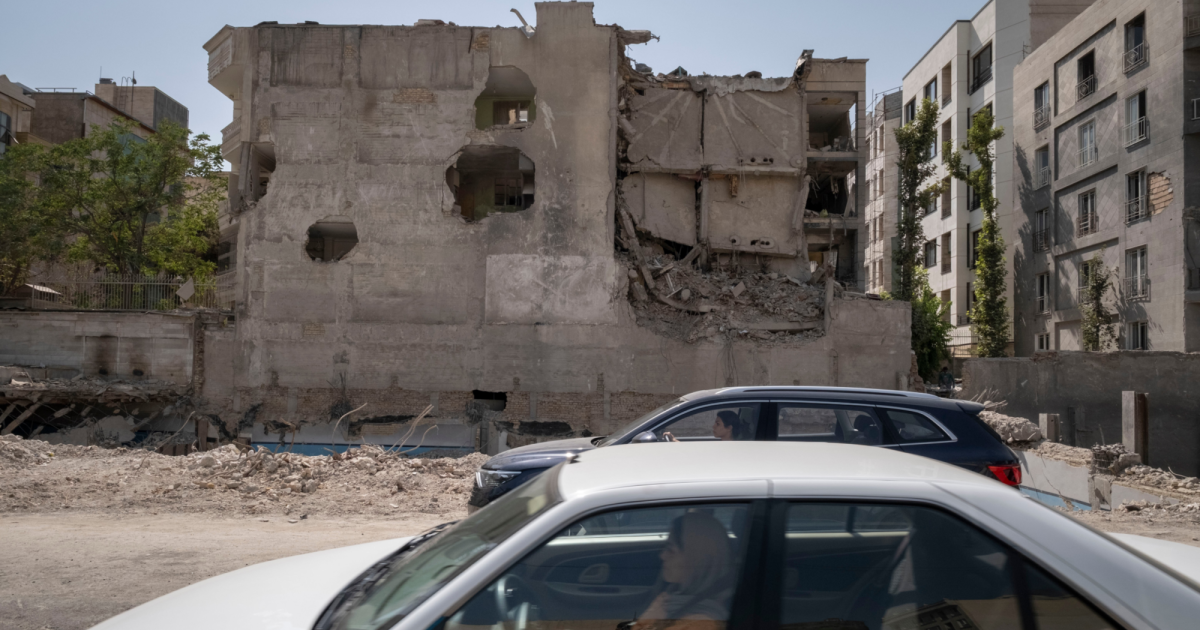
The Trump administration has paused its latest, 13-night bombing campaign on Iran,reportedly following concerns within the administrationover the past few days about American military resources and casualties.
Read more The Year Climate Change Came for the Tour de France
The dwindling amount of US air defense munitions was a key concern, administration officials told the New York Times, as well as hurting relations with allies in the Gulf and worsening economic, energy, and refugee crises. A senior US official stated that three US soldiers were killed in Jordan just over a week ago when a ballistic missile passed through US air defenses.
This pause in fighting comes after a relentless stream of suffering for Iranian civilians following US bombing. The Iranian health ministry’s spokesperson, Hossein Kermanpour, said on Friday that US strikes have killed 59 people—including six women and three people under the age of 18—over the past month. And as I wrote last week, the US military bombing has destroyed key infrastructure that Iranians need to survive, such as water and energy facilities, food silos, and bridges.
When a reporter asked Trump on Friday whether striking civilian sites constituted a war crime, the president refused to answer—not the first time he has dismissed the suggestion that the devastation of his administration’s strikes are war crimes.
On Sunday, Mike Waltz, the US Ambassador to the United Nations, told NBC News’ Meet the Press that the pause in airstrikes gives “some space” fornegotiationbetween the US and Iran.
Read more Trump’s Push to Build Data Centers for the US Military
Still, past precedent suggests that the administration’s Iran strike pause may not last: Since the US and Israel first struck Iran in February, the Trump administration has several times stopped fighting to negotiate, only to later escalate the war again. This may be because, as Michael Froman of the Council on Foreign Relations, a nonpartisan US foreign policy think tank, wrote on Friday, Trump is taking a middle-ground, simultaneous military and diplomacy approach to prevent extreme political fallout. He wants to avoid complete targeting of Iranian critical infrastructure and seizing oil with a military invasion or concedingto Iranian control of oil shipping through the Strait of Hormuz.
In June, the US and Iran managed to strike an interim ceasefire deal. Just a couple of days later, Iran’s military closed the Strait of Hormuz, stating the US violated their agreement by allowing Israel to continue bombing Lebanon. Iran then began targeting ships passing through the strait, including those appearing to deviate from approved routes, prompting US airstrikes on Iran at the end of the month.
The US faces other obstacles to negotiating a lasting solution: Nate Swanson, the National Security Council’s former Iran director under Joe Biden, told me last month that the US government’s material and political support of Israel has ruined many of its relationships with countries in the Gulf region and made negotiations with Iran practically impossible.
All this means that it is unlikely this war will end soon. WhenMeet the Press’ Kristen Welker asked Waltz whether the war would end by the end of the year, the ambassador refused to give a timeline. Last week, Democrats called on Trump to end the war, citing the deaths of four American soldiers. Sen. Chris Van Hollen (D-Md.), who brought a war powers resolutions aimed at forcing the president to abandon the war that failed on Thursday, wrote on X shortly before the vote, “This senseless war should never have been started and it needs to end NOW.”
Read more How Fossil Fuel Companies Made Us Believe Gas Was Clean